The Anti-Food-Waste Fridge and Freezer Reset: A Zone-by-Zone Guide That Makes Food Easier to Use
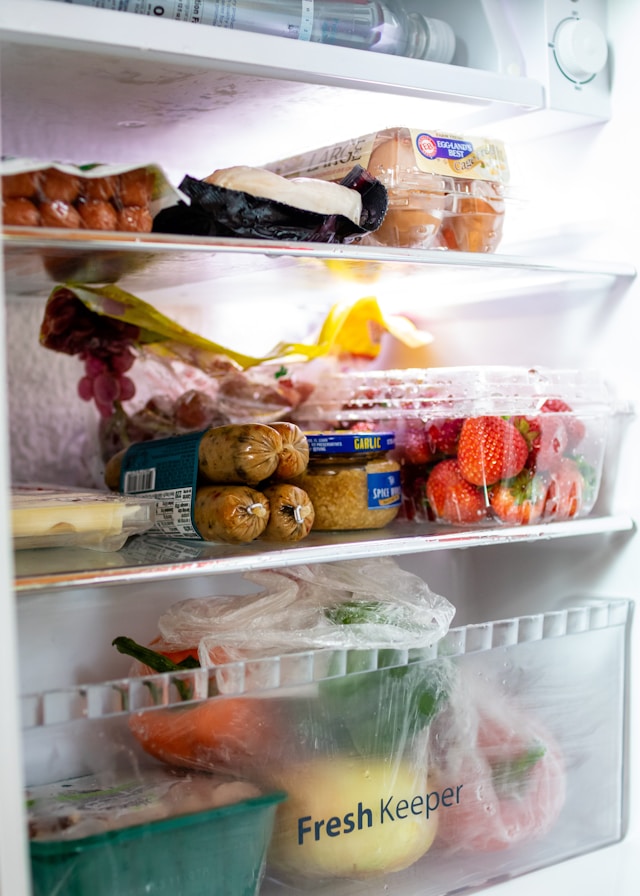
Photo by Darrien Staton on Unsplash
A full fridge often feels like a puzzle: leftovers hide, veggies wilt, freezer bags turn mysterious. The solution isn’t buying less or rigid meal plans, it’s a simple setup that matches real cooking and eating habits.
Organize into three zones: Ready to Eat, Cook Soon, Long Term, so food stays visible, usable, and safe. No perfect jars needed. Just clear spots, basic safety rules, and helpers like clear containers, quick labels, or a compact meal prep sealer for portioning leftovers and prepped items into airtight bags that prevent freezer burn and keep everything fresher longer.
This guide covers resetting both fridge and freezer zone by zone, plus a 5-minute weekly habit that cuts waste and gets meals on the table, effortlessly.
Key Takeaways
- Visibility zones prevent spoilage
- Clear containers + rotation reduce forgotten food
- Raw meat, poultry, fish, eggs stay sealed on the bottom shelf
- Quick weekly date/placement check keeps it sustainable
The Fridge Reset: Zones That Make Food Easy to Find and Use
A good fridge setup isn’t about perfect rows of jars. It’s about making the food you already bought easy to see and grab, so you actually use it before it goes bad, while keeping raw proteins safely separated.
Empty, Clean, and Sort by "When You'll Use It"
Take everything out of your fridge. Wipe down the shelves while you’re at it, this is the only time you’ll really see what’s lurking behind the milk.
As you pull things out, check dates and toss anything past its prime. Group everything by type: produce here, dairy there, leftovers together, condiments in one spot, drinks off to the side.
Now sort those groups into three timing piles:
- Ready-to-Eat: Anything you can grab and eat in the next two days; leftovers, washed fruit, prepped snacks, opened yogurt (if eaten as-is), deli meats.
- Cook-Soon: Stuff that needs attention in the next two to five days; chopped veggies, sturdy produce you plan to cook, opened dairy for recipes, and raw proteins (chicken, beef, fish, etc.) that you intend to cook soon.
- Long-Term: Things that can hang out five days or more; unopened condiments, sealed drinks, whole sturdy produce like cabbage or carrots.
Look at your Ready-to-Eat and Cook-Soon piles and make a plan right now. That half-used spinach and those leftover noodles? They need to become lunch today, not a science experiment next week.
Set Up the Three Fridge Zones: Safety First, Then Visibility
Safety priority: Always store raw meat, poultry, fish, seafood, and eggs on the bottom shelf in sealed containers, plates, or bags to prevent any juices from dripping onto other foods (USDA/FDA guideline to avoid cross-contamination).
Ready-to-Eat goes front and center, eye-level (top or middle shelves). This is where leftovers, snacks, washed berries, prepped items, and opened ready-to-eat dairy live. If you can’t see it, you’ll forget it.
Cook-Soon gets a dedicated clear bin or shelf section, but split safely:
- Non-raw Cook-Soon (chopped veggies, opened sauces/yogurt for cooking, etc.) on a visible middle shelf or front bin.
- Raw proteins go in a clear, sealed bin on the bottom shelf, still easy to spot during your weekly scan, but safely low so nothing drips down.
Long-Term items go in the back or on lower shelves (above the bottom raw zone). Unopened jars, sealed drinks, and sturdy produce can chill here. We’re not hiding them, just making room for food that’s racing the clock.
Use crisper drawers for produce: high-humidity for greens and veggies, low-humidity for fruit.
Raw items should be wrapped or sealed tightly, no leaks allowed.
Container and Label Rules That Prevent "Mystery Food"
Pick two or three types of clear, stackable containers and stick with them. Square ones use space better. Buy sizes that fit what you actually eat.
Label everything that goes into a container with the food name, today’s date, and when to use it by. Something like "Chicken Thighs 3/2, cook by ⅗" or "Chili 3/2, eat by ⅗" takes seconds and saves you from playing guess-the-smell. Keep masking tape and a marker right by the fridge.
Store leftovers in shallow containers so you can see what’s inside. Make one bin for opened items: half-used cans of beans, partial cheese blocks, and started salsa.
Designate a spot at the front of a middle shelf for non-raw stuff that needs to go soon (your "Eat First" reminder bin), and actually use it for anything nearing its limit.
The Freezer Reset: Keep Long-Term Food Fresh and Easy to Inventory
Resetting your freezer gives you back space, keeps food from disappearing into the abyss, and makes it easier to see what you have. Let’s make some simple zones and a system that means you don’t have to dig through mystery bags every time you want something.
Purge, Group, and Create a "Freezer Map"
Pull everything out. Use a cooler or insulated bags to keep things frozen while you work.
Toss anything with serious freezer burn, packages you can’t identify, or stuff that’s been there longer than you’re comfortable with. Raw proteins usually last 6 to 12 months; cooked meals are best within 2 to 3 months.
Once you’ve cleared the expired stuff, group what’s left:
- Prepared meals
- Raw proteins (chicken, beef, fish)
- Veggies and fruit
- Bread and baked goods
- Breakfast stuff (waffles, pancakes, smoothie packs)
- Broths and sauces
- Snacks and treats
Now make a simple freezer map, a note on your phone or a sticky on the door. Write down which category goes in each drawer, basket, or shelf. This keeps things from getting lost and makes restocking easier.
Set Freezer Zones for Quick Access and Rotation
Divide your freezer into three zones based on how often you use things.
- The Quick Grab Zone sits at the front or top. Here’s where you keep weeknight helpers: frozen veggies, dumplings, pre-portioned cooked proteins, breakfast stuff. Anything you use a lot should go here.
- The Meal Components Zone holds raw proteins, cooked grains, sauces, and other building blocks for dinner. Keep these organized by type so you can grab what you need without a hunt.
- The Backstock Zone is for bulk buys, sales stock, and overflow. Date everything here and check it monthly to move older items forward. This way, your backstock doesn’t turn into a frozen food graveyard.
Use a first-in, first-out system: put newer stuff behind older things, just like grocery stores do. That way, you actually use what you’ve stored.
Packaging and Portioning That Prevents Freezer Burn (and Saves Time)
Portion food into real-life serving sizes before freezing. Divide proteins into single servings or family-meal amounts. Freeze soups in 2-cup batches. Prep sauce cubes in ice trays for easy weeknight cooking.
Flat freezing saves space and thaws faster. Pour soups, cooked grains, or chopped veggies into freezer bags, press flat to remove air, and stack them like files once frozen.
Label everything with the item name, date frozen, and portion size. Write "Chicken Breast 3/2, 4 oz" or "Marinara 3/2, 2 cups" right on the bag with a marker.
Keep a running inventory list on your fridge or phone. Organize by category and update it weekly when you add or use something. It takes half a minute and stops you from overbuying at the store.
The "Keep-It-Working" Routine: 5 Minutes That Stops Waste Before It Starts
Even the best system needs a quick check-in. Five minutes a week keeps food from vanishing into the back, and a couple habits at the store help you avoid overbuying in the first place.
The Weekly Reset: A Fast Scan + A Simple Plan
Pick a day each week to open your fridge and do a quick visual sweep. Start with Ready-to-Eat to spot anything that needs attention, then check Cook-Soon items (including peeking at the bottom-shelf raw bin) that should get used in the next few days.
Turn what you find into a plan. Maybe it’s leftover night. Maybe you pack those containers for lunch. Maybe the raw chicken on the bottom gets thawed for tomorrow’s stir-fry.
If you want a reminder, keep a bin marked "Eat First" on a middle shelf and move non-raw stuff into it during your scan. It doesn’t have to be pretty, it just has to work.
Shopping Smarter: Buy for the Space You Actually Have
Before you add groceries to your cart, check what’s already in the Cook-Soon zone (including raw items on the bottom). Building even one meal around what you have cuts down on extra purchases and keeps your fridge from overflowing.
Keep a little bin for open items like half-used jars, opened cheese, or started condiments. That way, you won’t end up with three jars of tahini when two are already hiding in the back.
Keep the shopping list flexible: staples you always need, ingredients for two planned meals, and one meal built entirely from what’s already at home.
Tiny Upgrades That Make the System Feel Effortless
Matching containers are great, but don’t worry about perfection. The real win is seeing what you have at a glance.
Put the most-used items where your hands naturally go. If you’re always digging for milk, it’s in the wrong spot.
Make it easy for everyone in the house: simple labels, obvious spots (raw always bottom), and a habit of putting things back where they belong. The fewer steps, the more likely it sticks.
Frequently Asked Questions
How often should I do a full fridge and freezer reset?
Do a full cleanout and reorganization every three to four months, or when the seasons change. That’s enough time to adjust your zones based on what you’re actually eating and buying.
The real magic, though, is in the quick weekly check. Five minutes prevents buildup and catches what’s about to turn.
What's the easiest way to stop leftovers from being forgotten?
Pick one eye-level shelf or bin as your Ready-to-Eat zone and use it every time. Every leftover goes there, in clear containers, with a piece of tape showing the date.
If you bury it behind the juice or under something tall, it disappears. Visibility is everything — but never at the expense of placing raw items above it.
What should never go in the fridge door?
Milk and eggs don’t belong there. The door warms up every time you open it, which shortens their life.
Keep door shelves for condiments, sauces, and shelf-stable items. Stuff that spoils quickly needs steady cold, not constant temperature swings.
How do I prevent freezer burn and weird textures?
Go for airtight packaging. Squeeze out as much air as you can before sealing, whether it's freezer bags or containers.
Freeze food in smaller portions instead of one big lump. Flat freezing is actually pretty handy here; it helps food freeze faster and makes it easier to stack. Quick freezing usually means the texture holds up better.
What's a realistic "use first" rule that doesn't feel strict?
Before cooking dinner, take a quick look at your Cook-Soon zone (middle shelf for veggies/sauces, bottom for raw) and grab one thing to use. Just one. Simple enough.
No need to force ourselves to use everything up at once or plan some complicated meal. Tiny daily habits win out over those big, stressful cleanouts, honestly.