
Source: Freepik
If you’ve ever stared at a drill thinking, “Do I really need this?” chances are, you probably do. DIY can be fun, but some projects can feel intimidating – especially when you start looking at power tools that seem louder, faster, and more dangerous than your regular screwdrivers.
Power tools don’t make mistakes, though. But you can. That is why using the right tools, doing a bit of practice, and knowing some safety tips for home DIY projects are essential.
Whether you want to upgrade furniture, do small home repairs, or start a creative project, here’s what you need to know.
Start with a Drill and Driver
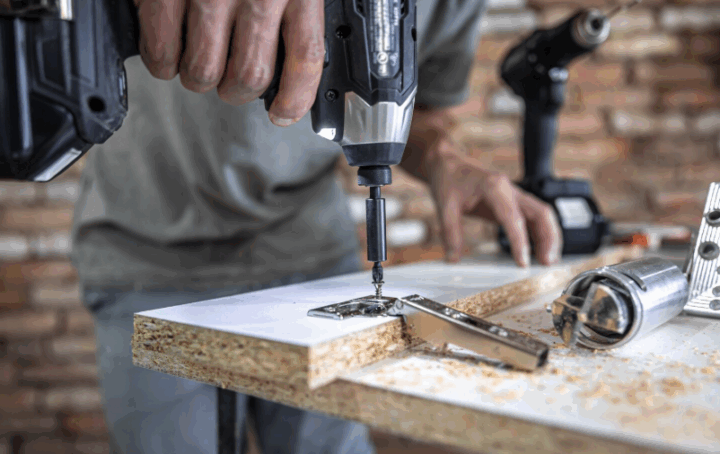
Every DIY project seems to involve screws in some way. A drill and driver should be your first investment. Bonus points if it’s cordless.
A drill/driver saves time compared to manual screwdrivers. It works for hanging shelves, building furniture, or assembling a simple box. And it also often comes with multiple drill bits and screwdriver heads for different jobs.
Brands like Makita are popular because they’re reliable and lightweight. You can find cordless Makita tools from Sydney Tools to avoid the risk of tripping mid-project.
Finish with a Sander
You can sand by hand, but it gets old quickly. An orbital sander solves the problem, moving in fast and tight circles to give you a clean finish without leaving marks.
A sander can be used for prepping furniture for painting, smoothing rough wood, or refreshing old cabinets. You can also remove uneven finishes with it.
Remember to always start with higher-grit sandpaper while you’re learning. It minimizes mistakes while still giving great results.
Learn the Jigsaw
Power saws can be intimidating, but the jigsaw is as beginner-friendly as it gets. It’s lightweight, easy to use and handle, and ideal for small cuts. It’s the perfect power tool for people who don’t want to jump straight into circular saw territory.
A jigsaw helps with shaping wood panels, cutting curves, craft projects, and trimming plywood. Once you learn to follow a line slowly, it can become one of the most satisfying tools to work with.
Use the Tools Safely
Every DIY beginner has the same fear: “What if I mess up?” But safe tool use is mostly about habits, not experience. Build the safe habits into your routine, and you’ll feel much more confident.
Make sure to always wear the right gear, including safety glasses, closed-toe shoes, tied-back hair, and a dust mask for sanding or cutting. Even this much covers most of a beginner’s needs.
As long as you keep in mind that power tools aren’t meant to be forced, you’ll be fine. When practicing, press gently, hold steady, and let the tool move at its own pace. If something starts smoking or shaking, pause and reassess.
You can practice on scrap materials, like old wood or cardboard.
Finally, remember to clear your workspace. Remove drinks, cables, pets, kids, and anything else that might roll or wobble. A calm workspace makes the tool feel calmer, too.