
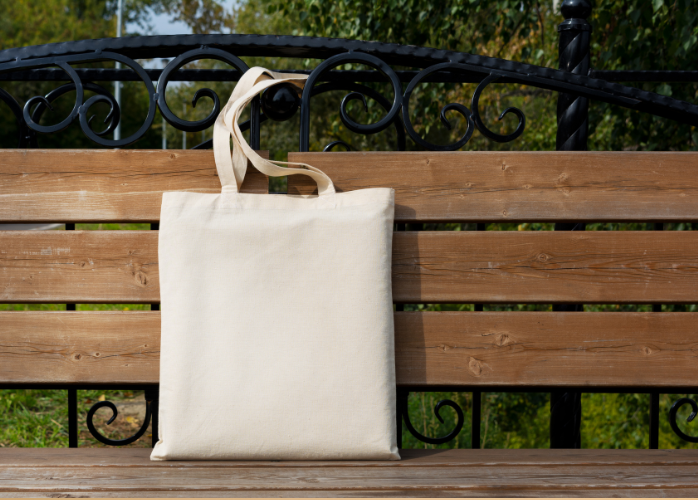
[Photo taken by TasiPas from Canva]
DIY decor has come a long way from glue guns and uneven stitches. Today, home crafters are producing pieces that look personal. Custom pillows and tote bags sit right at the intersection of creativity and function. They’re practical items you use every day, yet they double as design statements. The secret to achieving professional-quality results at home is a combination of smart material choices, clean design, and modern transfer techniques that take the guesswork out of customization.
Why Pillows and Tote Bags Are the Perfect DIY Projects
Pillows and totes are forgiving canvases. They don’t require complex sizing, and small imperfections are far less noticeable than they would be on garments. That makes them ideal for DIYers who want high-impact results without high stress.
Pillows instantly change the mood of a room. Swap out covers, and you can shift from playful to refined, all without redecorating. Tote bags, on the other hand, travel everywhere. They’re increasingly treated as style accessories rather than just utility items. Both can look boutique-made when customized thoughtfully.
Start With Quality Blanks
Professional results always start with strong foundations. Cheap blanks may seem appealing, but they often lead to disappointing outcomes, such as uneven textures that make designs look amateur. Look for covers made from heavyweight cotton or linen blends for pillows. These fabrics hold shape well and accept transfers cleanly. Neutral tones like cream, brown, or charcoal provide a versatile base that lets your design stand out. Opt for cotton fabric with reinforced handles for tote bags. A structured tote lasts longer and displays designs more cleanly, preventing distortion when the bag is filled.
Design With Intention, Not Excess
One of the most common DIY mistakes is overdesigning. Professional decor often feels effortless because it leaves room to breathe. Think about balance when creating graphics or text. A minimalist illustration, for instance, often looks more elevated than a busy collage. Centered designs or subtle corner placements feel intentional for pillows. Understated graphics tend to look more refined for totes. Limit your color palette to two to three tones. This keeps your project cohesive and easier to integrate into different spaces or wardrobes.
The Role of Transfer Methods in a Polished Finish
How you apply your design matters as much as the design itself. Traditional DIY methods like fabric paint can work, but they often leave stiff textures that give away the “handmade” look. Modern transfer techniques allow for smoother finishes. They sit more naturally on fabric, mimicking the look of professionally printed goods. This is especially important for home decor items that are exposed to daily wear. Many DIY creators now rely on ready-to-press transfers to streamline the process. Using pre-printed designs reduces errors and ensures consistency across multiple items, whether you’re making one pillow or a matching set.
Mastering Heat Application at Home
You do need consistency to achieve clean results. A quality heat press is ideal, but a reliable household iron can work for smaller projects if you’re careful. Always follow temperature and timing guidelines for your transfer method. Too little heat leads to peeling; too much can scorch fabric or warp designs. Apply firm, even pressure and avoid sliding the heat source, which can blur edges. Let designs cool fully before handling. This step is often rushed, but it’s crucial for durability.
Elevating Pillows With Subtle Details
Professional pillows often shine because of what they don’t do. Focus on placement and texture instead of covering the entire surface. Consider pairing printed designs with tactile elements like piping, fringe, or textured fabrics. Even a simple printed pillow feels more elevated when combined with thoughtful finishing details. Seasonal designs work especially well here. Neutral bases with interchangeable covers let you refresh your decor without storing bulky inserts.
Making Tote Bags Feel Boutique-Worthy
Tote bags are functional by nature, but thoughtful customization turns them into statement pieces. Placement is important as designs that sit too low or too high can look awkward when worn. Test placement by holding the bag as it would be used. Centered designs that align with the bag’s structure tend to look cleaner. Smaller designs near the top edge or along one side feel modern for a more understated feel. Inside details also matter. Adding a simple printed label elevates the overall experience.
Scaling Your DIY Projects Without Losing Quality
Once you’ve mastered the basics, it’s natural to want to create multiples. Matching pillows for a sofa or tote bags for gifts in batches. This is where consistency becomes critical. Utilizing the same transfer methods ensures your pieces look cohesive. Ready-made transfers from reliable sources make it easier to maintain quality across batches without reprinting each time. Many crafters integrate suppliers like dtftransfersnow into their workflow to simplify production while keeping creative control firmly in their hands.
Caring for Your Finished Pieces
Professional-quality DIY doesn’t end when the design is applied. Proper care keeps your work looking new. Wash pillow covers and totes inside out on gentle cycles. Avoid high heat when drying. Skip harsh detergents as well. These small habits extend the life of your designs and preserve color vibrancy. Including care instructions, especially if gifting or selling, adds another layer of professionalism.
Final Thoughts:
Creating custom pillows and tote bags at home requires the right tools. Your DIY projects can rival store-bought decor when you focus on quality materials, clean design, and modern transfer techniques. The real magic of DIY lies in control. You choose the colors, the message, the texture, and the purpose. Your handmade pieces will decorate a space, elevating it with thoughtful execution. Once you experience how achievable professional-quality results can be, it’s hard not to start looking at every blank canvas as an opportunity.