
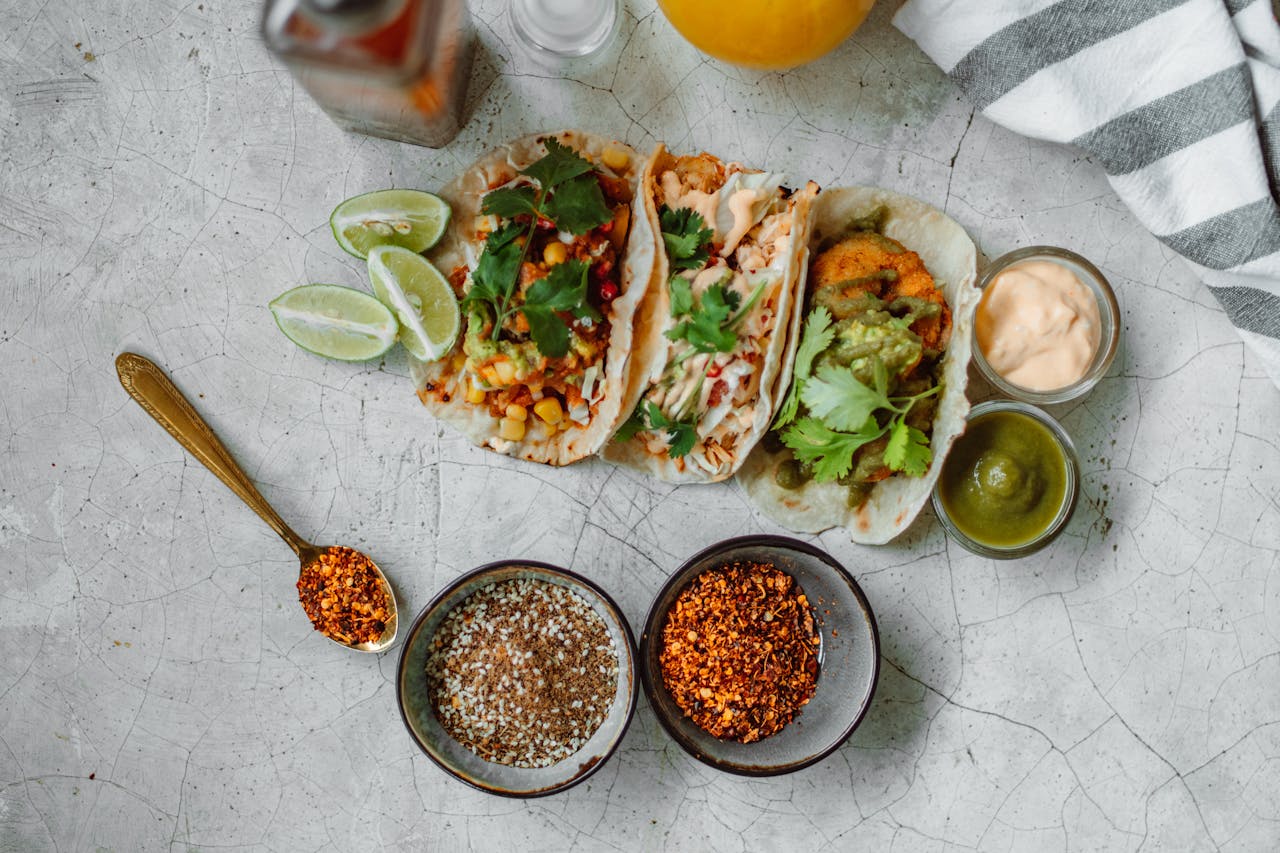
Photo by ROMAN ODINTSOV: https://www.pexels.com/photo/cooked-food-on-the-table-4958522/
Ever noticed how food seems to taste better in certain places, even if it’s something simple? A fresh biscuit in the Smokies. A scoop of peach cobbler you’d usually ignore at home. There’s something about being in Gatlinburg—the view, the air, the pace—that seems to wake up your appetite in a different way. In this blog, we will share what actually makes food more enjoyable, beyond the usual answers.
Food Gets Better When the Setting Makes Space for It
It’s not always the ingredients that make the difference. Sometimes, it’s where you are, what you’re feeling, or even what you’re not doing—like rushing through a meal in the backseat of a car while scrolling through emails. Setting isn’t just scenery. It’s rhythm.
Slower settings let you notice more. They let you chew with some thought. They give your senses time to actually pick up on what’s happening in your mouth. Food is mechanical, but pleasure is not. Enjoyment needs a moment to breathe.
If you’re into wine tasting Gatlinburg offers an experience that tends to stick with you. You’re not just sipping wine. You’re pausing. You’re learning how a certain sweetness came from a certain batch, how the fruit was chosen, and how long that process took. It’s an absolute must if you fall in love with what Tennessee Homemade Wines has to offer during your time there. The experience doesn’t just sharpen your taste buds. It calibrates your pace.
And that slower pace, that conscious pause, transfers. It makes the next thing you eat—even if it’s just a sandwich or a slice of pie—feel a little more intentional. A little more connected.
Attention Is the First Ingredient in Enjoyment
If food feels dull, bland, or forgettable, it’s usually not because of poor seasoning. It’s because attention was missing. Eating on autopilot turns even great food into background noise. Your brain doesn’t record much when you’re eating with your phone open, TV blaring, or between work calls.
The most enjoyable meals, oddly enough, often have nothing to do with what’s on the plate. They start when you stop treating food as filler. You take a second to register texture. You notice how heat or cold hits the tongue. You feel the weight of a bite. These aren’t dramatic, life-altering sensations. They’re small, but they stick. And they add up.
No one’s perfect at this. You’ll still have those standing-over-the-sink dinners or the rushed lunch eaten between meetings. That’s human. But peppering in a few moments of full attention—when food gets the stage, even briefly—shifts your overall experience more than any exotic ingredient.
The Company Around the Table Shapes the Flavor
People matter. A lot. A simple meal with the right people becomes something you’ll bring up years later. That same dish, eaten alone under fluorescent lighting with a dead-silent room, becomes forgettable, if not mildly depressing.
You don’t need a huge group or a special occasion. Just one person who shows up, listens, and eats with you without rushing it can shape how the meal lands. Laughter improves digestion. Shared stories stretch the meal out just enough to let the food settle in. These moments aren’t accidents. They’re small, emotional amplifiers of taste.
We’re wired for connection, and food is one of the oldest tools we use to create it. It breaks ice. It builds trust. And it holds attention better than most topics. That’s part of why people bond so easily over dinner, why deals close over lunch, why families argue better over food than over text.
If you want food to feel more enjoyable, build a few routines around it that involve other people. It doesn’t have to be big. A once-a-week shared breakfast. A no-phone dinner rule. A standing invite for whoever’s nearby. Meals don’t have to be long to be lasting.
Ritual Beats Novelty Almost Every Time
In the push for new, different, exciting, people overlook how comforting repetition can be. The Friday night pizza. The weekend pancake stack. The exact way someone makes your coffee every morning.
These little food rituals carry weight. They don’t have to be impressive to be meaningful. What they do is create rhythm, consistency, and familiarity—three things that heighten enjoyment over time, not dull it.
Novelty grabs attention. But ritual holds it.
You can build these into your routine without much work. A specific dish you return to when stressed. A breakfast you only make on Sundays. A dessert you share every month with the same friend. They don’t need to be public or praised. They just need to be yours.
And the joy doesn’t always come from the taste. It comes from the fact that you knew it would taste like that. It anchors you. It signals, “you’re here again,” and in a world where things move fast and unpredictably, that can be its own kind of pleasure.
Enjoyment Isn’t Efficiency
Efficiency ruins a lot of meals. That mindset of getting it done, clearing the plate, fueling up—those are practical, not pleasurable. Food that’s consumed like a task rarely leaves a memory behind.
Enjoyment asks for a small shift. It doesn’t need you to cook gourmet or spend hours preparing. It just needs room. Room for flavor to land. Room for the experience to take shape. Room for you to be something other than just hungry.
It might look like setting a timer so you don’t eat lunch at your desk. Or putting on music while you prep a bowl of something warm. Or plating food even when no one’s watching. These are small acts that push food back toward joy.
And no, you won’t do this every day. Sometimes frozen pizza wins. Sometimes dinner is cereal. That’s fine. Perfection ruins pleasure faster than imperfection ever could. The goal isn’t to eat “right.” It’s to eat in a way that gives you something back.
Not just fuel, but feeling.
Not just fullness, but presence.
And if that feeling shows up once or twice a week, that’s enough. That’s more than most people get. That’s what makes food not just something you need—but something you remember.