
The US Mint produced over 1.3 billion dimes last year, with each costing around 5 cents to make, yet most people toss them into a jar without a second thought. If you’ve got older examples in your piggy bank, you might be holding onto a miniature fortune without even realizing it. Many of these small coins carry intrinsic value that far exceeds their face denomination, especially when you understand the history locked inside the metal.
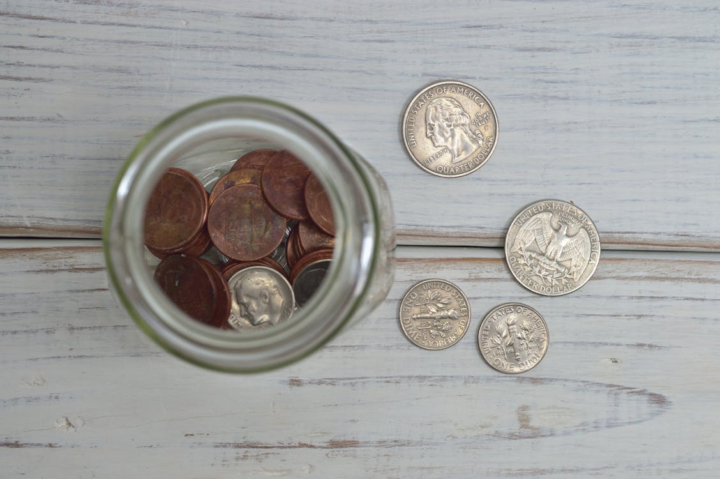
Image Source: Pexels
Identifying Valuable Dimes In Your Pocket Change
If you find a dime dated 1964 or earlier, you are looking at a piece of history that remains surprisingly relevant. These coins contain 90% silver, a composition that stopped production after the Coinage Act of 1965.
When you realize the silver content, you can learn about junk silver to understand why collectors and investors prioritize these specific dates. Having all the right information to hand is hugely helpful if you’re approaching a buy-or-sell decision for any kind of asset.
Separating Melt Value From Numismatic Rarity
Sorting your coins requires a simple eye for dates and conditions. A silver dime is worth its weight in precious metal regardless of its appearance, but rare dates can turn a common coin into a high-value asset. Specific mint marks significantly increase the market price for both Mercury and Roosevelt designs.
Mercury dimes, minted between 1916 and 1945, often carry premiums for their artistic beauty alone. Roosevelt dimes, while more common, still offer reliable value for those tracking silver prices. You should keep an eye out for these specific markers when sorting through your collection:
- Dimes minted in 1964 or earlier which contain ninety percent silver
- High grade Mercury dimes with clearly defined bands on the reverse
- Key date coins that carry significant premiums beyond the standard melt value
The melt value serves as the floor for what you should expect to receive. When silver prices climb, the value of your stash rises in tandem, providing a hedge against fluctuating fiat currency.
Strategies For Storing And Protecting Your Silver
Physical assets require physical care, unlike digital savings accounts that sit behind a screen. You must ensure your collection remains protected from environmental factors that could degrade the coin surfaces over time. The US Mint suggests that keeping silver in a cool, dry environment helps prevent heavy tarnishing that can obscure important date information.
Humidity represents the primary enemy of long term storage for silver assets. Use non-PVC plastic holders or coin tubes to keep your collection organized and safe from oxidation. When you store coins properly, you preserve their liquidity for whenever you decide to sell or trade them, which is particularly important if you’re using them as part of a plan to invest for your family’s future.
Deciding When To Keep Or Sell
Deciding between holding a coin and selling it often comes down to your immediate financial goals versus long term wealth preservation. Some collectors prioritize specific dates to complete a set, while others prefer the utility of junk silver as a barterable asset. If you find a rare date in great condition, it usually makes sense to hold it rather than selling it for its silver weight.
You can perform a simple check at home to verify the metal content by examining the coin’s edge. If you see a solid silver color without any copper hue, you are likely holding a genuine silver piece. The ringing sound a silver coin makes when dropped is a distinct, high-pitched tone compared to the dull thud of modern cupro-nickel coins.
Selling your stash at the right moment requires a basic awareness of current market trends. When precious metal markets see high activity, you gain more leverage as a seller.
Many local coin shops or reputable online dealers offer competitive rates for silver bags based on current spot prices. Always compare a few different offers before you commit to selling your hoard, as premiums can vary significantly between buyers.
Managing Your Silver Collection Effectively
Building a collection takes patience and a discerning eye for detail. You do not need to be a professional dealer to spot the differences between standard pocket change and valuable historical currency. Start by checking your change jar for dates before 1965, then look for any oddities or markings that might indicate a rare mintage.
Consistent evaluation of your holdings keeps your portfolio sharp and your knowledge base growing. You might discover that the small stack of dimes you started as a hobby evolves into a serious store of value over the coming years. Consider keeping an eye out for those older, silver-rich coins, as they provide a tangible connection to the past while helping secure a bit of your financial future.
Our site is a treasure trove of advice and guidance across a cavalcade of other topics, so if you’re not a coin collector, then you can check out the rest of our content and apply what you learn to modern life.