
Is Zara fast fashion? Learn how Zara’s business model fits the fast fashion category, why it matters, and what conscious consumers should know before shopping.
If you’ve ever strolled through a Zara store or browsed their sleek online catalog, you’ve likely noticed how quickly new trends arrive, and disappear. But that’s no accident.
Zara is one of the most well-known names in the fast fashion industry, and it has played a huge role in shaping how the world shops for clothes today.
So, is Zara fast fashion? The short answer: Yes—and in many ways, it helped create the modern fast fashion model. But there’s more to the story, especially if you’re trying to shop more consciously.
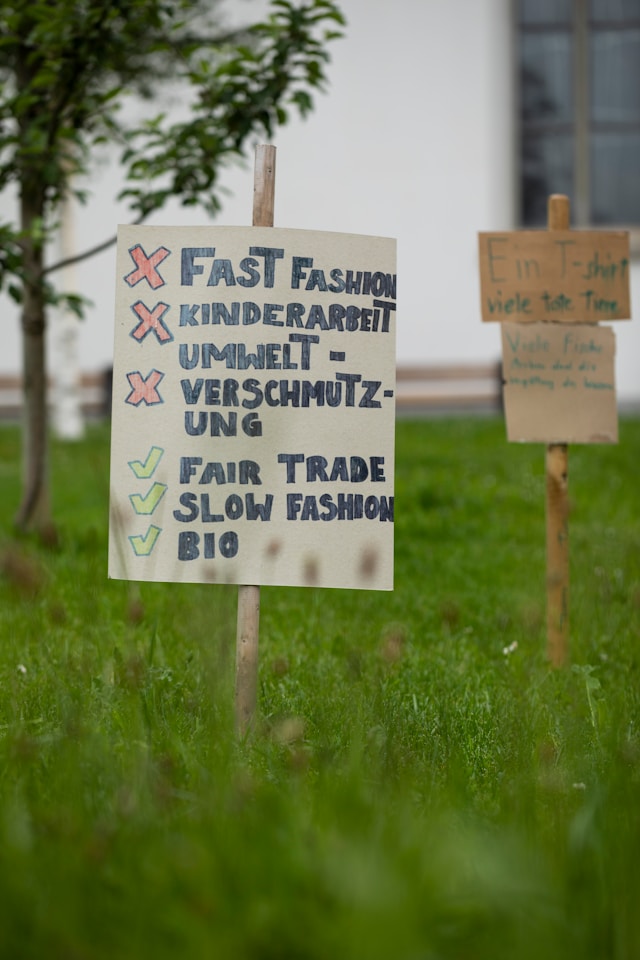
Photo by Pascal Meier on Unsplash
What Is Fast Fashion?
Before diving into Zara’s role, let’s quickly define fast fashion.
Fast fashion refers to the rapid production of trendy, inexpensive clothing designed to be worn for a short time before being replaced. It relies on:
- Quick turnaround times from design to shelf
- Low-cost materials and labor
- High volumes of production
- Constant inventory changes
- Encouragement of frequent, impulse purchases
The goal? To mimic runway trends and celebrity styles as quickly and cheaply as possible.
Zara’s Business Model: Speed and Volume
Zara is owned by Inditext, the world’s largest fashion retailer. Unlike traditional fashion brands that work on seasonal collections, Zara drops new items in stores every few days.
Key Fast Fashion Practices at Zara:
- 2-week design cycle: From sketch to store in just 10–15 days
- New inventory twice a week
- Thousands of new styles released yearly
- Limited quantities to create urgency (aka “buy now or it’s gone”)
- Low-to-mid pricing to encourage frequent purchases
This hyper-efficient system makes Zara one of the fastest and most agile brands in fashion.
Why Zara Is Considered Fast Fashion
Despite its clean aesthetic and marketing that sometimes hints at sustainability, Zara fits all the core traits of fast fashion:
- Mass production of on-trend clothing
- Short product lifespan (many items wear out or go out of style quickly)
- Minimal transparency about ethical labor or environmental practices
- Encouragement of overconsumption with constant new arrivals
In fact, many experts credit Zara with pioneering the fast fashion model as we know it today. Their quick turnaround and supply chain innovations changed industry expectations for how fast clothes could be made and sold.
Is Zara Trying to Be More Sustainable?
Zara has launched some eco-conscious initiatives in recent years, like their Join Life collection, which uses organic cotton and recycled materials. The company has also committed to:
- Using 100% sustainable fabrics by 2030
- Achieving net-zero emissions by 2040
- Eliminating single-use plastics in packaging
However, critics argue that these efforts are not enough, especially when overproduction remains at the core of their business model.
Sustainability experts point out that:
- Releasing thousands of new items per year isn’t environmentally sustainable
- Greenwashing is common in the fashion industry
- Real sustainability requires slowing down, not just using better materials
Why It Matters
If you’re trying to shop more consciously, understanding Zara’s fast fashion model is key.
While their clothes may be stylish and accessible, they come with hidden costs…both environmental and ethical. By supporting fast fashion brands like Zara (as well as others such as H&M), consumers are often unknowingly contributing to:
- Excessive textile waste
- Carbon emissions and water pollution
- Poor labor practices in garment factories
Final Thoughts: Is Zara Fast Fashion? Yes.
Zara may market itself with sleek designs and occasional sustainability claims, but at its core, it remains a fast fashion powerhouse.
If you love Zara’s styles but want to shop more ethically, consider:
- Buying secondhand Zara through sites like Poshmark or ThredUp
- Shopping sustainable fashion alternatives
- Practicing buy-less, choose-well habits
Fashion can still be fun, expressive, and stylish—without fueling a wasteful system. The key is being informed, intentional, and open to better choices.
Thanks for reading all about Is Zara Fast Fashion? Here’s What You Should Know on burlap+blue.