
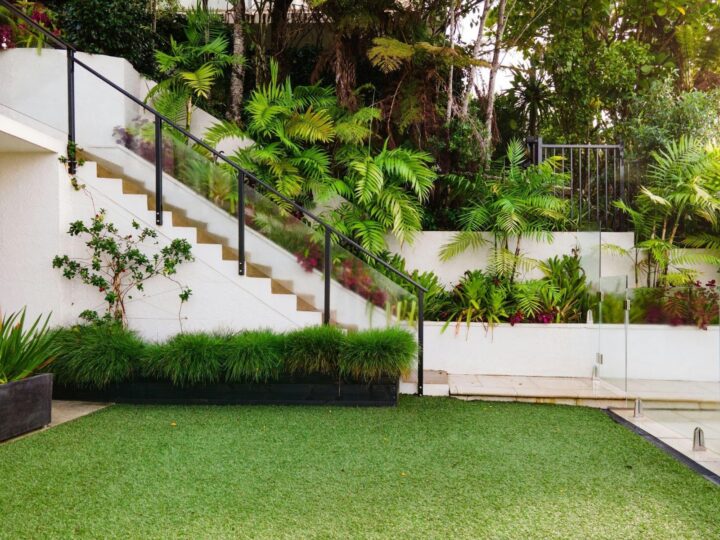
Photo by Look Up Look Down Photography on Unsplash
In recent years, homeowner expenditure on outdoor maintenance and residential cleaning has shifted from occasional service engagements toward more regular, year-round planning. As urban and suburban communities grow in density, and lifestyle pace accelerates, many households seek solutions that reduce ongoing chores while preserving curb appeal and interior comfort. This trend has created sustained demand for products and services that address both aesthetic and functional aspects of home upkeep.
Whether enhancing lawn health, managing persistent weeds, or coordinating cleaning routines, today’s homeowners invest in strategies that balance effort, cost, and long-term value. Understanding how these consumer priorities shape market offerings provides insight into how landscaping and cleaning services continue to evolve.
Lawn Care Priorities and Targeted Weed Management
One of the most visible aspects of residential maintenance is lawn appearance. Green, evenly textured grass contributes to curb appeal and reflects care and pride in property ownership. At the same time, diverse weed pressures created by local climate, soil composition, and lawn species influence how homeowners approach lawn management.
Cool-season grasses such as Kentucky bluegrass are prized for their rich color and resilience in temperate areas, but they can be vulnerable to encroachment by broadleaf weeds and invasive grass competitors. Targeted control products designed specifically for this turf type assist homeowners in preserving lawn uniformity without harming desirable grasses. When selecting weed control options, homeowners often look for formulations appropriate to their specific grass species; for example, kentucky bluegrass weed killer offers targeted treatment options suited to lawns dominated by that variety.
Maintaining balance between weed suppression and grass health underscores broader consumer expectations: products must be effective yet safe, adaptable to diverse lawn conditions, and compatible with ongoing maintenance habits.
Integration of Service Models
Alongside retail products, demand for professional lawn services has grown. Many homeowners seek recurring engagements with landscaping firms to manage pruning, aeration, fertilization, and seasonal transition tasks. The appeal of professional services lies not only in labor savings but also in access to expertise that anticipates plant health cycles and emerging pest pressures.
Similarly, residential cleaning services have expanded from single-visit deep cleans to subscription-based or regularly scheduled maintenance. These models appeal to busy families, dual-income households, and individuals who prefer to allocate time elsewhere while ensuring that interior spaces remain orderly and hygienic.
Some homeowners also invest in heavy-duty equipment to support larger-scale maintenance tasks. For example, a commercial pressure washer for auto dealerships can streamline cleaning of driveways, parking lots, and equipment, making it a versatile addition for properties with extensive pavement or vehicle storage areas. Whether acquired directly or used through a service provider, such equipment reflects how consumer interest has broadened beyond basic landscape products to include rugged tools once reserved for institutional or industrial use.
Seasonal Rhythms and Consumer Planning
Residential landscaping follows a seasonal rhythm shaped by local climate patterns. Warm-season grasses such as Bermuda and zoysia flourish in heat, while cool-season types like Kentucky bluegrass rebound in cooler months. Seasonal weed pressures vary accordingly, with different species thriving under distinct temperature and moisture conditions.
Homeowners increasingly adopt scheduled maintenance calendars that align with seasonal shifts rather than reactive efforts. Preseason treatments, mid-summer weed control, and early autumn fertilization are coordinated to optimize plant health and minimize stress. This planning trend parallels patterns in home cleaning, where seasonal deep cleans, often scheduled before holidays or major events, are supplemented by routine upkeep through the year.
The shift from reactive to proactive residential care reflects broader consumer behavior: investing time and resources earlier in the cycle often reduces long-term effort and expense.
Aesthetic and Functional Expectations
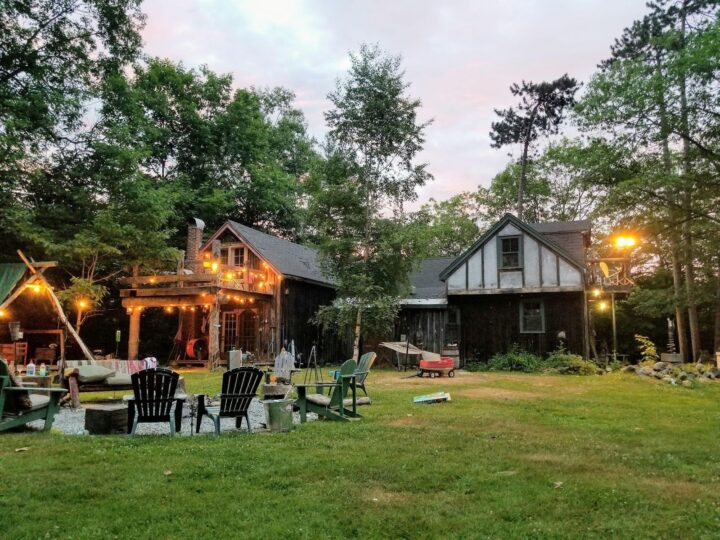
Photo by Shaun Montero on Unsplash
Residential landscaping and cleaning services increasingly emphasize both aesthetic outcomes and functional performance. Lawns that resist weeds and display uniform growth enhance property appearance, while clean indoor environments contribute to perceived comfort and health. In both domains, consumers seek solutions that align with their quality expectations rather than minimal compliance.
For example, installing drought-tolerant plantings reduces irrigation needs while supporting ecological sustainability. Similarly, cleaning services that address indoor air quality concerns, such as dust mite reduction and high-traffic surface sanitization, reflect rising consumer awareness of health and hygiene outcomes.
Demographic Influences on Service Demand
Demographic patterns also shape demand. Younger homeowners, including first-time buyers and professionals balancing work and family responsibilities, often prioritize convenience and outsourced services. Older homeowners, while maintaining traditional maintenance practices, may seek professional assistance for physically demanding tasks.
Households in higher-density neighborhoods may emphasize landscaping that supports outdoor socialization, patios, lighting, and curated plantings, while balancing interior cleanliness for frequent entertaining. Conversely, properties with larger acreage may require more complex maintenance strategies that blend self-performed tasks with periodic professional support.
Digital Access and Solution Discovery
The rise of online directories, service marketplaces, and targeted product catalogs has simplified how homeowners discover options. Consumers increasingly research products and services online before making decisions, comparing performance claims, pricing, and service reviews. This digital trend influences both vendor visibility and competitive positioning in local markets.
Retailers that segment offerings by lawn type, grass species, or seasonal needs align more closely with consumer expectations for targeted solutions. Service providers that offer transparent scheduling, pricing tiers, and customer feedback systems similarly attract homeowners who value convenience and clarity.