

Photo by Anastasiia Chepinska on Unsplash
A comfortable home is not defined by size or cost, it’s shaped by how a space feels and how well it reflects the people living in it. Small, thoughtful additions can transform an environment from purely functional into something warm, personal, and inviting. These changes don’t require major renovations; instead, they come from everyday choices that improve atmosphere, comfort, and emotional connection.
Modern home design is increasingly focused on well-being, with research showing that environment plays a direct role in mood, stress levels, and overall quality of life. By focusing on simple upgrades and meaningful details, it becomes possible to create a space that supports both relaxation and daily living.
Creating a Calm and Comfortable Atmosphere
Comfort begins with how a space feels on a sensory level. Lighting, temperature, and layout all contribute to whether a home feels relaxing or overwhelming.
Soft, layered lighting can make a room feel more inviting, while natural light helps improve mood and energy levels. Comfortable seating, breathable fabrics, and balanced airflow also play a role in creating a space where it is easy to unwind.
Environmental studies highlight that well-designed spaces can reduce stress and improve overall well-being, reinforcing the importance of small adjustments in everyday living environments.
Adding Meaningful Personal Elements
A home feels more complete when it reflects personal values and identity. This can come through decor, objects, or traditions that hold meaning.
Incorporating meaningful items, such as those found in a catholic christian store, can add a sense of purpose and connection to a space. These elements often go beyond decoration, creating moments of reflection and calm within daily routines.
Personal touches make a home feel lived-in and authentic, helping transform it into a place of comfort rather than just a functional space.
Keeping Fabrics Fresh and Inviting
Comfort is closely tied to cleanliness, especially when it comes to fabrics like bedding, curtains, and clothing. Over time, these materials can absorb odors that affect how a space feels.
Maintaining freshness in everyday textiles often comes down to using solutions that actively remove odor rather than simply masking it. A consistent approach, similar to how an odor neutralizer for fabric works to eliminate odor at the source, helps create a cleaner and more comfortable environment over time.
Regular washing routines, proper ventilation, and targeted odor control all contribute to a home that feels consistently fresh.
Enhancing Personal Care Spaces With Functional Details
Small upgrades in personal care areas can also influence how a home feels day to day. Bathrooms, vanities, or self-care corners benefit from organization, cleanliness, and reliable products that simplify routines.
Keeping these areas well-maintained supports both hygiene and efficiency. For example, incorporating reliable tools like eyelash extension kits into a personal care setup can help streamline routines while maintaining a sense of consistency and order. Professional kits typically include essential tools and materials in one place, reducing clutter and simplifying preparation.
These types of additions may seem small, but they contribute to a more organized and comfortable daily experience.
Simplifying Spaces for Better Comfort
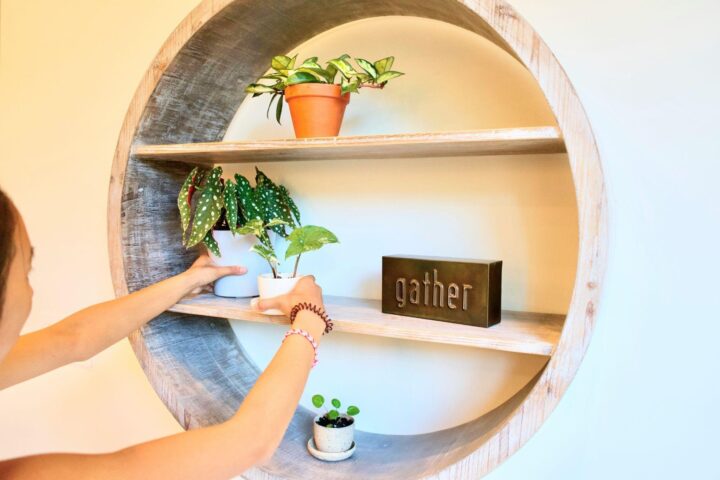
Photo by cleo stracuzza on Unsplash
Clutter can quickly make a home feel overwhelming. Simplifying a space, without removing its personality, helps create a more balanced and relaxing environment.
This involves organizing frequently used items, reducing unnecessary objects, and creating clear, functional areas within each room. A well-organized space not only looks better but also makes daily routines easier.
Studies suggest that cluttered environments can contribute to stress and reduced focus, while organized spaces support calm and clarity in everyday life.
Using Scent and Texture to Enhance the Experience
Scent and texture are often overlooked, but they play a significant role in how a home feels. Soft fabrics, comfortable surfaces, and subtle scents all contribute to a more welcoming environment.
Fresh-smelling textiles, layered materials, and cozy textures create a sensory experience that makes a space feel lived-in and inviting. These details influence how a home is experienced on a daily basis.
Scent, in particular, is closely linked to memory and emotion, making it a powerful element in shaping the atmosphere.
Creating Spaces for Relaxation and Routine
Comfort also comes from having designated areas for rest and routine. Even in smaller homes, creating a corner for reading, relaxing, or quiet time can make a significant difference.
These spaces encourage regular breaks and help establish routines that support well-being. Whether it’s a comfortable chair, a small table, or a dedicated area for reflection, these additions create moments of calm throughout the day.
Over time, these routines contribute to a more balanced lifestyle and a stronger connection to the home environment.
Bringing Everything Together
Improving comfort at home is not about making dramatic changes, it’s about combining small, thoughtful adjustments that work together. From keeping fabrics fresh to adding meaningful personal elements, each choice contributes to a more inviting and functional space.
Research and everyday experience both show that the environment we create has a direct impact on how we feel. By focusing on comfort, cleanliness, and personal connection, it’s possible to build a home that supports both relaxation and daily life in a natural and sustainable way.