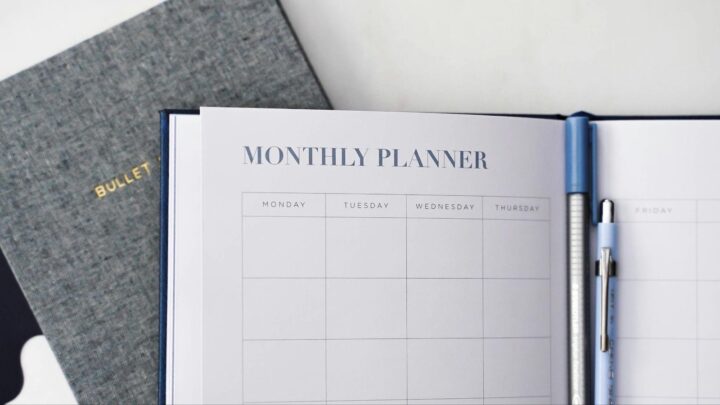
Photo by 2H Media on Unsplash
As 2026 approaches, conversations about productivity and organisation are once again intensifying. New apps promise smarter automation, tighter integrations, and real-time optimisation of every task and goal. Yet despite this steady stream of digital tools, many people continue to rely on handwritten planning to organise their lives. This preference is not driven by nostalgia alone. For a significant group of users, writing plans on paper remains more effective, more calming, and more sustainable than managing everything through screens.
For those looking to reset routines or regain a sense of control, some turn to paper-based systems such as planners from Plum Paper as part of a broader effort to make organisation more intentional rather than more complex. The continued relevance of written planning raises an important question: why does paper still work so well in a digital-first world?
Cognitive Engagement and Memory
One of the most cited reasons people prefer written planning is how it engages the brain. Writing by hand requires slower, more deliberate processing than typing or tapping. This physical act reinforces memory and comprehension, making tasks and goals feel more concrete.
Studies in cognitive psychology have repeatedly shown that handwriting supports stronger recall than digital note-taking, particularly when information is summarised rather than transcribed verbatim. When people write plans in their own words, they tend to think more critically about priorities and constraints. The plan becomes an interpretation, not just a record.
This deeper engagement can make written plans feel more “real,” which often leads to higher follow-through.
Reduced Cognitive Overload
Digital tools are efficient, but they are rarely quiet. Notifications, updates, and background alerts compete for attention, even when productivity apps are well-designed. For some users, this constant digital presence becomes a source of distraction rather than support.
Paper planners create a contained environment. There are no pop-ups, no pings, and no temptation to switch tasks mid-thought. This limitation is often described as a benefit rather than a drawback. By narrowing focus to what is physically on the page, written planning reduces cognitive load and decision fatigue.
In an era where attention is fragmented across multiple platforms, this simplicity can be especially appealing.
Visibility and Spatial Awareness
Another advantage of written planning is spatial context. A paper planner allows users to see a week, month, or year at a glance without scrolling or switching views. This visual continuity helps people understand how tasks relate to each other across time.
Spatial memory plays a role here. Many people remember where something is written on a page, not just what was written. This makes revisiting plans more intuitive. Crossing off tasks, adding notes in margins, or visually grouping related items creates a map of progress that digital interfaces often flatten.
For long-term planning, this sense of scale can be crucial.
Emotional Connection and Motivation
Written planning also carries an emotional dimension that digital tools sometimes lack. Choosing a layout, writing goals by hand, and physically checking off completed tasks can feel rewarding in a tangible way.
This emotional reinforcement matters for motivation. Progress becomes visible and physical, not just numerical. A filled page or completed week provides a sense of accomplishment that is harder to replicate on a screen.
For people who struggle with consistency, this tactile feedback can be the difference between maintaining a system and abandoning it.
Flexibility Without Complexity
Digital planners excel at automation, but that automation can introduce rigidity. Templates, rules, and sync requirements may not adapt easily to changing circumstances. Written planners, by contrast, are inherently flexible.
Plans can be adjusted, rewritten, or abandoned without reconfiguring a system. This adaptability suits people whose schedules are variable or whose goals evolve frequently. There is no penalty for changing direction, only a new line on the page.
In uncertain or transitional periods, this flexibility can make organisation feel supportive rather than restrictive.
Personalisation as a Functional Feature

Photo by Karolina De Costa on Unsplash
Personalisation is often marketed as an aesthetic choice, but in planning it has functional implications. People think differently, prioritise differently, and organise time differently. A written planner can be customised to reflect those differences without technical constraints.
Some users prefer detailed daily breakdowns, while others focus on weekly themes or long-term goals. Handwritten systems accommodate both approaches naturally. Over time, planners often become hybrids of schedules, journals, and idea spaces, reflecting how planning and thinking intersect.
This organic evolution is difficult to replicate digitally.
The Role of Habit Formation
Organisation is not just about tools; it is about habits. Written planning often becomes a ritual: a morning check-in, an evening review, or a weekly reset. These rituals anchor habits in time and space.
Because paper planners require intentional engagement, they can strengthen these routines. Opening a planner becomes a signal to pause, reflect, and prioritise. This deliberate act can be grounding, particularly for people navigating busy or unpredictable schedules.
Research discussed by the American Psychological Association has highlighted that consistent routines support stress management and goal adherence. Written planning often supports routine-building precisely because it is slower and more intentional.
Digital Tools Are Not the Enemy
It is important to note that written planning is not inherently superior to digital tools. Many people use a combination of both. Digital calendars may handle appointments and reminders, while paper planners manage goals, reflections, and priorities.
The key distinction is not technology versus tradition, but alignment with cognitive and emotional needs. For some users, digital tools enhance efficiency. For others, they add noise. Written planning persists because it meets needs that technology does not always address.
Why Paper Planning Still Matters in 2026
As productivity tools become more sophisticated, the appeal of paper planning highlights a countertrend toward simplicity and intentionality. Written planners offer focus, flexibility, and emotional engagement in a way that resonates with many people seeking balance.
In 2026, getting organised is less about adopting the newest system and more about choosing tools that fit how individuals think and live. For those who value clarity over connectivity and reflection over automation, written planning continues to offer a reliable foundation.
The persistence of paper planning is not a rejection of progress, but a reminder that effective organisation is deeply personal. Sometimes, the simplest tools endure because they work, not despite change, but because of it.