How to Plan a Stylish Casino-Inspired Game Night at Home
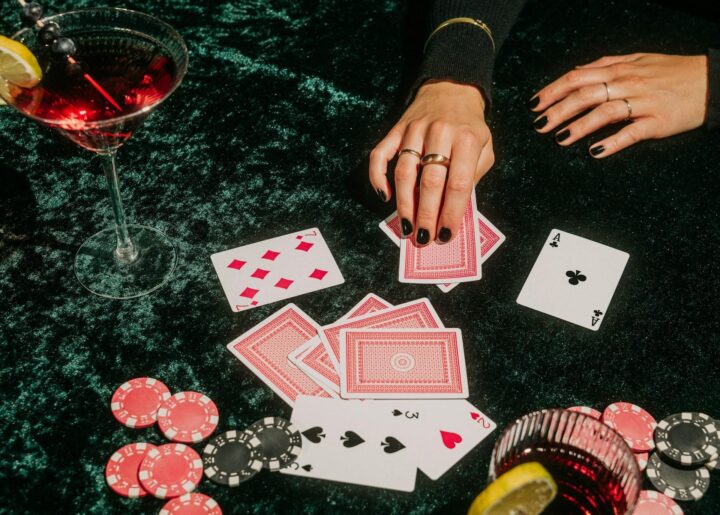
Photo by Simon Maage on Unsplash
A casino-inspired game night can be playful and polished without turning the living room into a copy of the Las Vegas Strip. The most inviting parties borrow a few recognisable details, then balance them with comfortable seating, simple food and enough variety to keep guests entertained.
Instead of covering every surface with card suits and neon signs, begin with a clear visual idea. A restrained colour palette, coordinated printables and carefully arranged activity areas can create atmosphere without making the room feel crowded. The aim is to host an enjoyable adult gathering, not to reproduce a gaming floor.
Thoughtful planning also makes the evening easier for the host. When food, seating and games each have a defined place, guests can move between activities naturally and nobody needs a detailed explanation of how the party is supposed to work.
Mix Table Games With Digital Entertainment
Not every guest will want to sit through a long card game. Offering several forms of entertainment allows people to participate at their own pace and prevents one activity from controlling the entire evening.
Set up one table for familiar card games, another for a short printable quiz and a comfortable area where guests can talk or use a shared screen. Digital entertainment can be included for adults who prefer playing individually rather than learning a group game.
In jurisdictions where online casino play is permitted, guests already familiar with online slots with mr q may recognise a broad selection of themes, including retro arcades, music, mythology and classic casino imagery. Mr Q is a UK-focused platform licensed under the British regulatory system, so availability and eligibility depend on a player’s location and applicable rules.
The visual variety found in digital games can also inspire the party design without requiring guests to gamble. A retro game zone could use pixel-style printables, while an adventure table might feature maps and treasure motifs. The strongest approach is to choose one secondary theme and use it selectively rather than combining every visual reference in the same room.
Any digital station should remain optional. Guests who prefer cards, conversation or food should be able to enjoy the evening without feeling that they are missing the main event.
Begin With a More Refined Colour Palette
Traditional casino decorations often rely on bright red, black and metallic gold. Those colours are instantly recognisable, but using all three heavily can make a room look overly theatrical. A softer version of the palette usually works better at home.
Start with black or deep navy as the base, then add warm cream, muted red and small gold details. White tablecloths, dark paper napkins and gold card holders can establish the theme without requiring specialised decorations. Green can also be introduced through felt runners or small botanical arrangements, creating a subtle reference to classic card tables.
Choose one colour to dominate and use the others as accents. Repeating the same shades on invitations, table signs and food labels gives inexpensive materials a more coordinated appearance. This visual consistency matters more than filling the room with themed objects.
Ordinary household pieces can also support the palette. Black picture frames can hold printable signs, glass jars can display playing cards, and small brass or gold-toned trays can organise snacks. Shopping at home first reduces both the cost and the amount of waste produced for a single evening.
Create Simple Printables for the Tables
Printables are an easy way to connect different parts of the room. They can identify activity areas, display the menu or provide brief rules for unfamiliar games. Because the design is repeated, even separate tables feel as though they belong to the same event.
Keep the typography clear and limit each sign to one main message. A cream background with a dark border and one small card symbol is often more elegant than a design filled with dice, chips and playing cards. Printing on heavier paper helps signs stand upright when placed in small frames or folded into tent cards.
Personalised score sheets can become part of the entertainment. Guests might earn points for winning a round, answering a trivia question or completing a lighthearted challenge. The score does not need to determine a serious prize. It simply provides continuity as people move between activities.
Invitations can follow the same style. Include the date, time, dress suggestion and whether guests should bring anything, but avoid overcrowding the design. A digital invitation based on the printable palette will make the theme feel established before anyone arrives.
Arrange Lighting Without Creating Hazards
Lighting changes a room quickly, but it should remain practical. Warm table lamps and battery-powered LED candles create a relaxed atmosphere while keeping cards, food and walkways visible. A short strand of decorative lights can highlight a drinks station or photo area.
Avoid stretching electrical cords across routes used by guests. The U.S. Consumer Product Safety Commission recommends checking decorative lights for cracked sockets, bare wires and loose connections. It also advises using extension cords rated for their intended purpose and discarding damaged sets.
These precautions apply to any temporary party lighting, not only holiday decorations. Cords should remain uncovered and away from drinks, while candles need a stable, non-flammable holder. Battery-powered alternatives are often the simplest choice for tables containing paper decorations. The room should never become so dark that guests cannot read cards or move safely. Atmosphere comes from warm, layered light rather than low visibility.
Keep the Menu Easy to Handle
Food for a game night should be easy to eat without interrupting an activity. Small portions work well because guests can serve themselves and return to a table without balancing plates of complicated food.
A grazing board can combine cheese, crackers, fruit and small savoury bites. Individual cups are useful for snacks that would otherwise be shared from a large bowl. Napkins and small plates should be available at more than one point in the room, reducing traffic around a single table.
The presentation can quietly continue the visual theme. Place dark berries beside pale cheese, use black or gold cocktail picks and label dishes with the same printed cards used elsewhere. Food does not need to be shaped into card suits to feel connected to the party.
Choose one drink that can be prepared in advance, then offer alcohol-free alternatives and water in an equally visible position. Clear labels prevent confusion and allow everyone to choose comfortably. Drinks should be kept away from cards, electronics and decorative lighting wherever possible.
Divide the Room Into Comfortable Activity Areas
A successful party needs more than a decorated central table. Guests should be able to understand the room almost immediately, with obvious places to play, eat and take a break.
Position active games away from the main conversation area so participants can concentrate without asking everyone else to remain quiet. Keep the food station accessible but outside the busiest route. Chairs should not block doors, and fragile decorations should be removed from crowded surfaces.
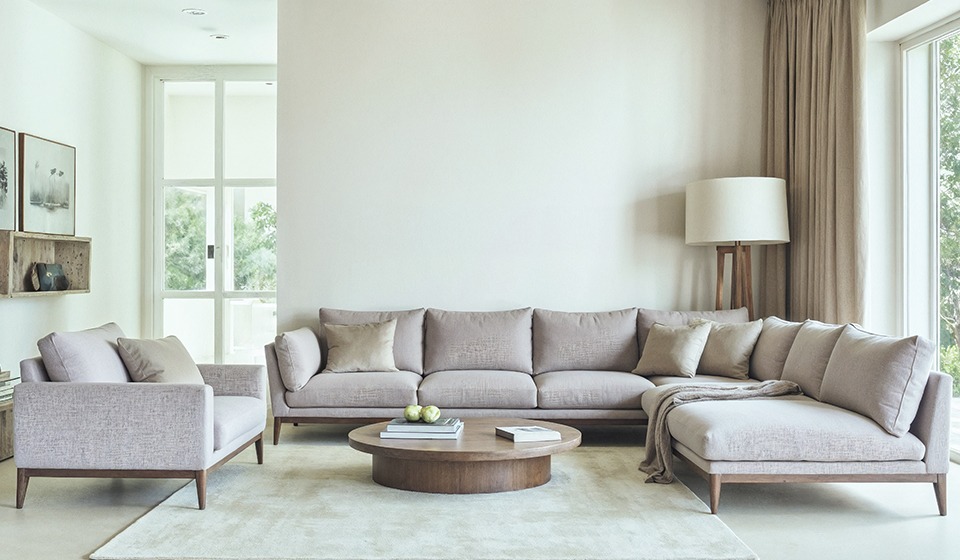
A small lounge area is particularly useful. Some guests enjoy watching rather than playing, while others may want to pause between rounds. Comfortable seating ensures that participation remains flexible instead of turning the night into a rigid schedule.
If space is limited, activities can rotate at the same table. Store each game in a labelled tray or box so the surface can be reset quickly. This approach creates variety without requiring several rooms.
Use Decorations That Can Have a Second Life
Single-use decor can make a simple party unnecessarily expensive. Whenever possible, choose materials that can be reused or adapted later. Plain frames, fabric table runners, glass jars and battery candles work for many kinds of gatherings. Printable signs can be designed without a date, allowing them to return for another game night. Playing cards that are no longer suitable for games can become garlands, place cards or decorative tags.
DIY pieces are most effective when they solve a practical need. A handmade card holder keeps a table organised, a printable sign explains an activity, and a decorated container collects score sheets. Projects created only to fill empty space can quickly make the room feel cluttered.
The finished setting should still resemble a welcoming home. A limited palette, a few handmade elements and well-planned activity zones will create more impact than a large collection of novelty decorations. When guests can move comfortably, choose how they participate and enjoy the setting without constant direction, the theme has done its job.